Pompous logo
www . DanYEY . co . uk
Archive : Lincoln

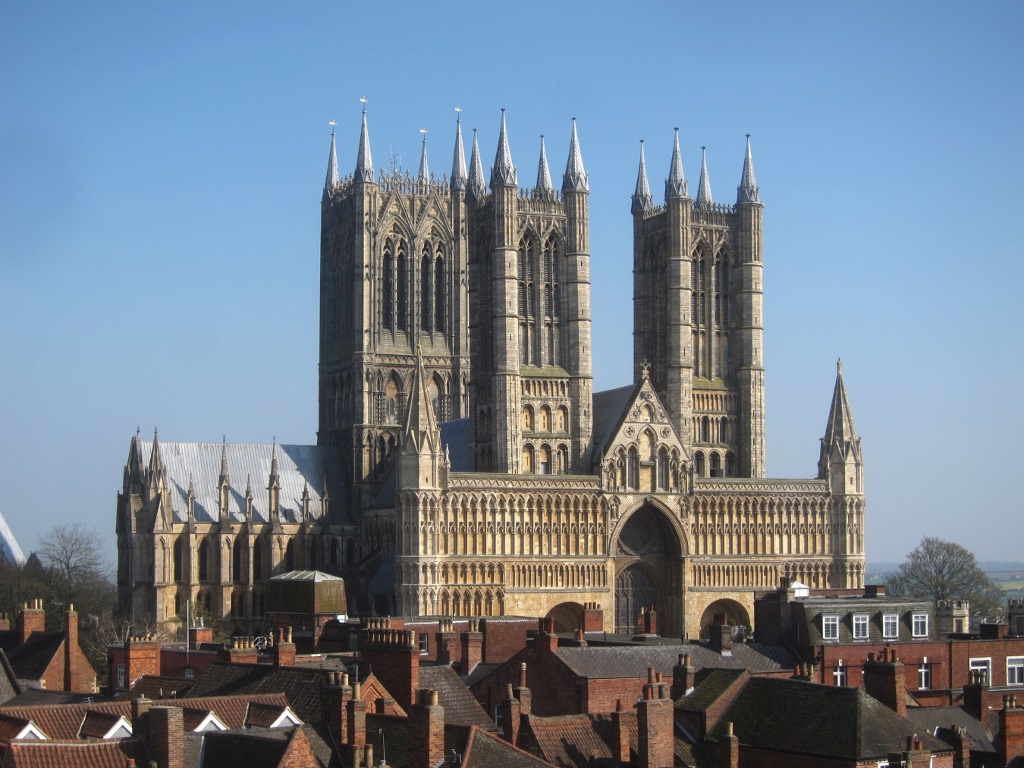
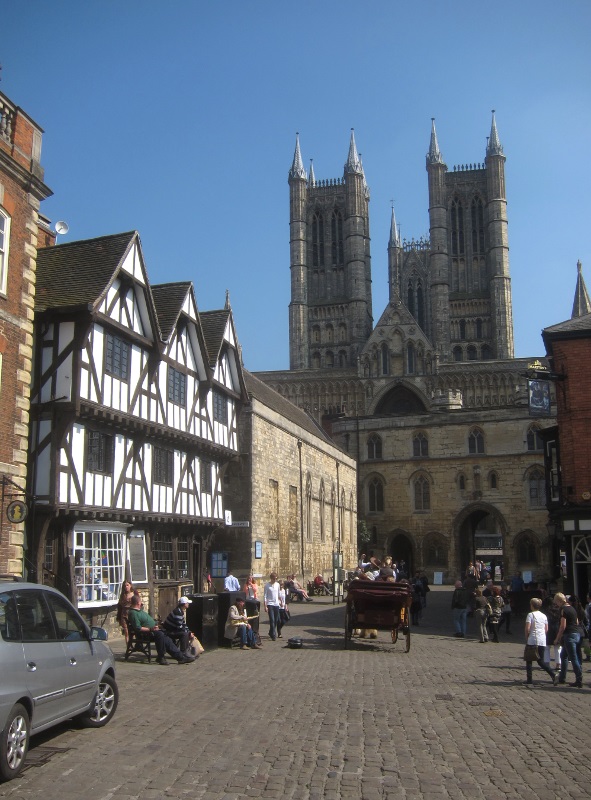
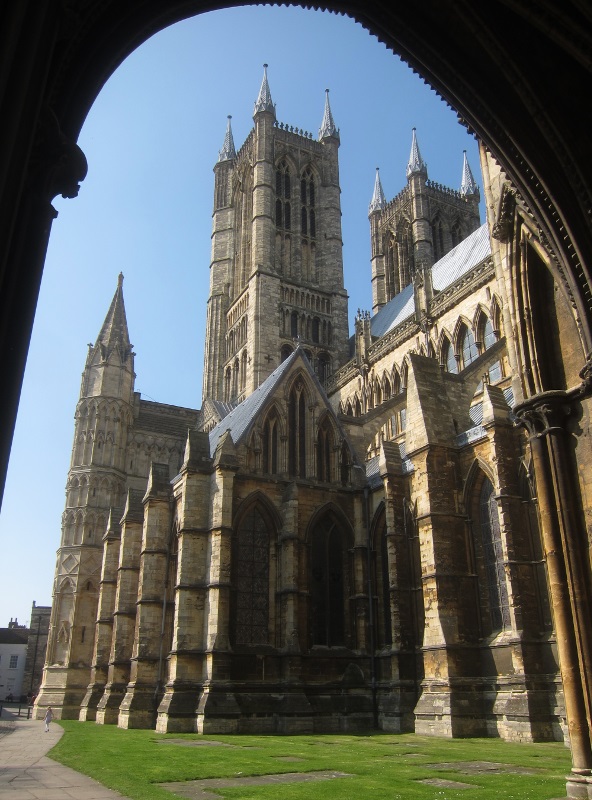
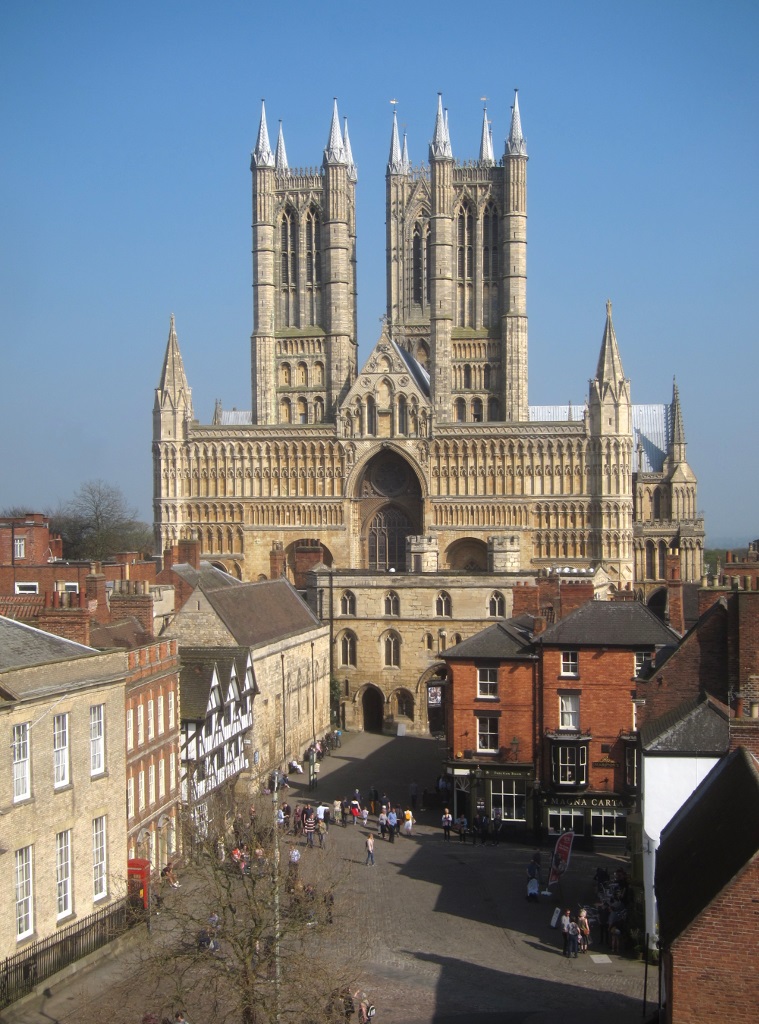
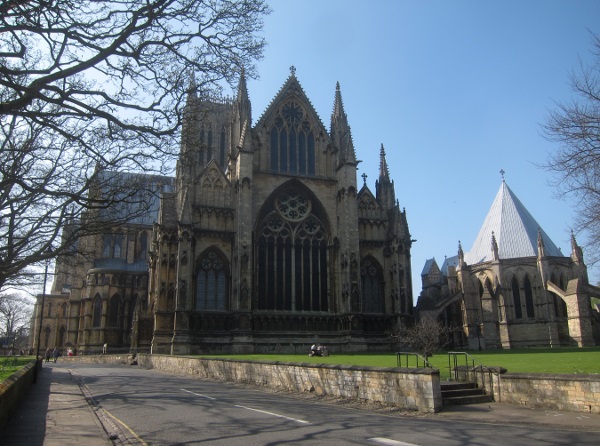
Lincoln is dominated by its cathedral, one of the earliest begun after the Norman conquest and the tallest building in the world (160m) until the collapse of the central spire in 1548.
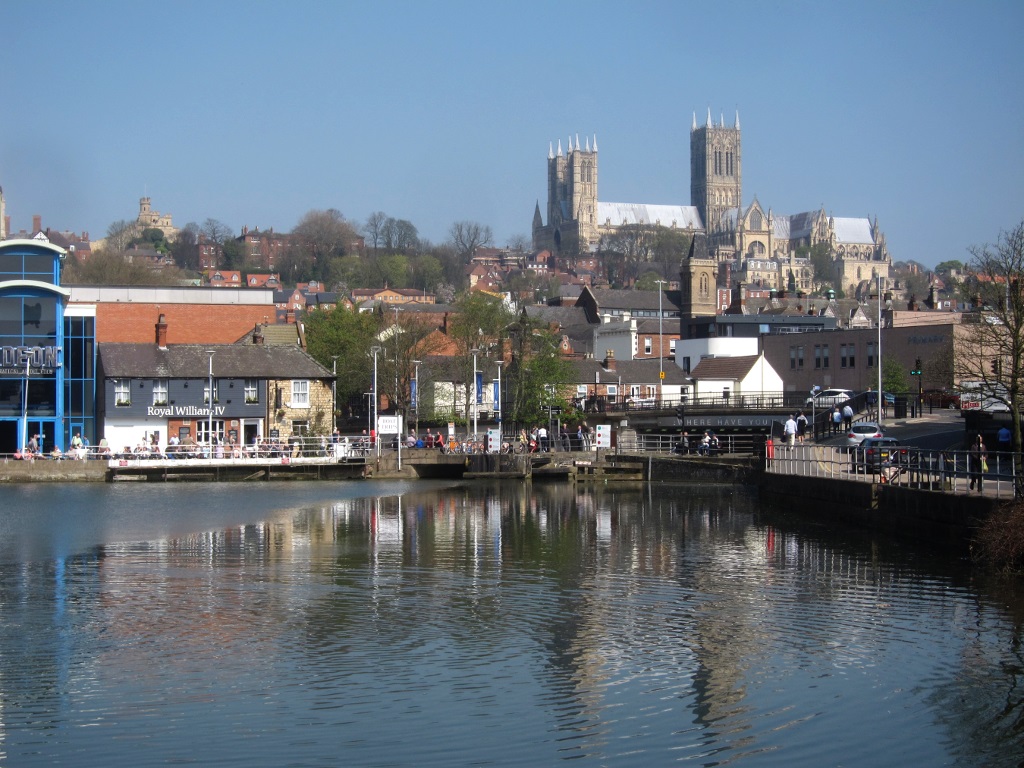
Lincoln.
Lincoln Cathedral.
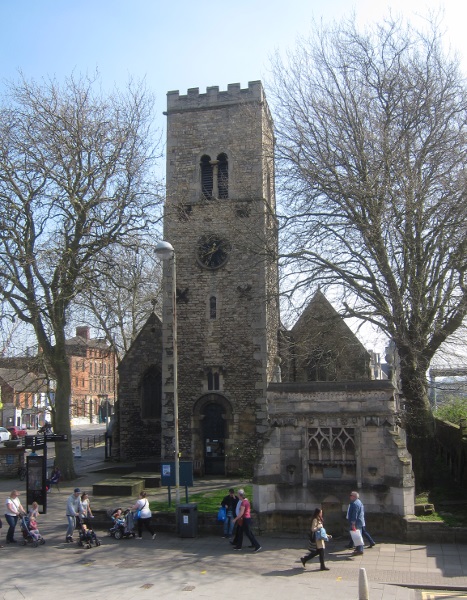
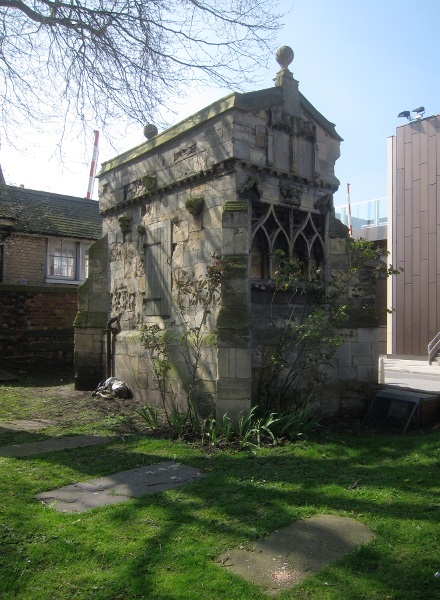
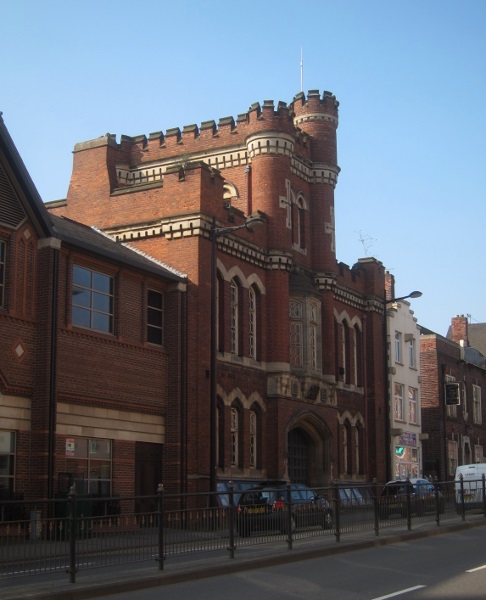
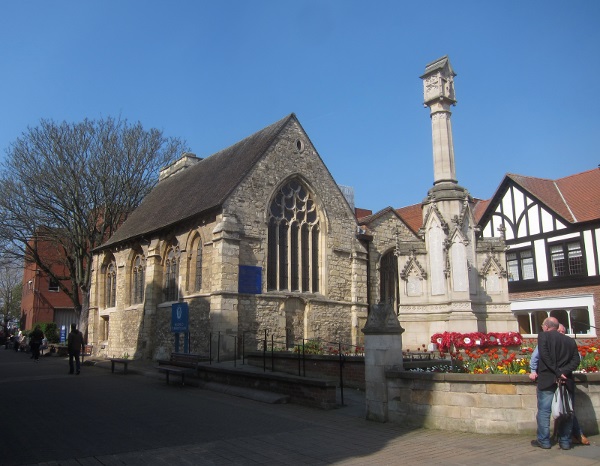
St. Mary Le Wigford and the conduit. St. Mary's Conduit. The drill hall.
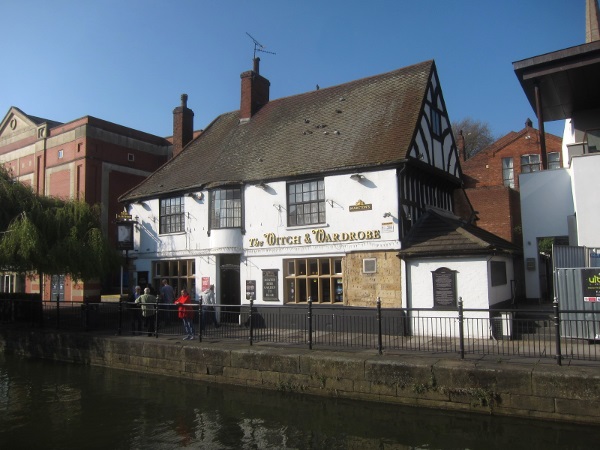
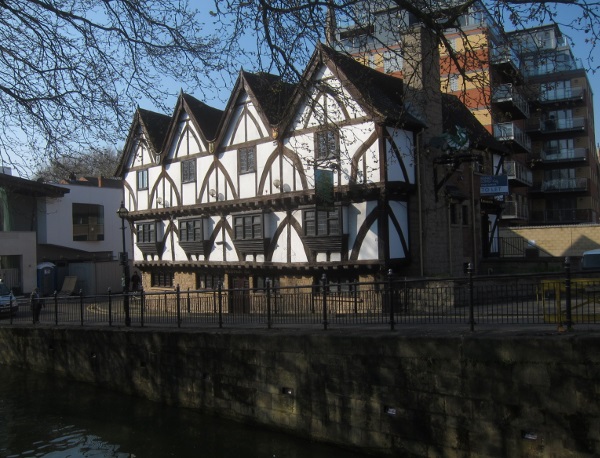
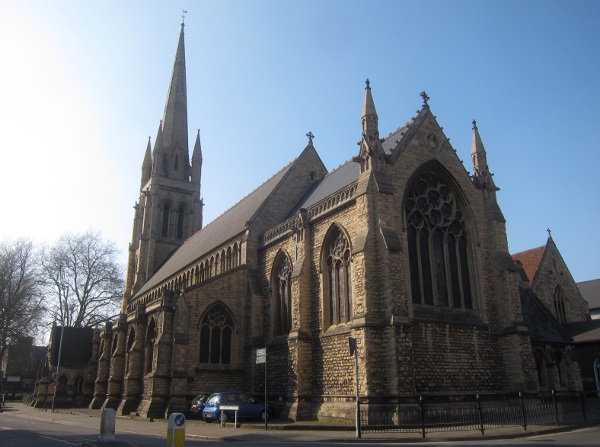
St. Benedict's. The Witch And Wardrobe pub. The former Green Dragon pub.
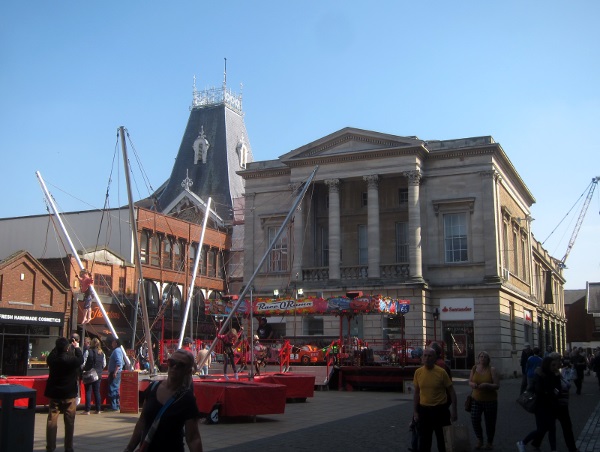
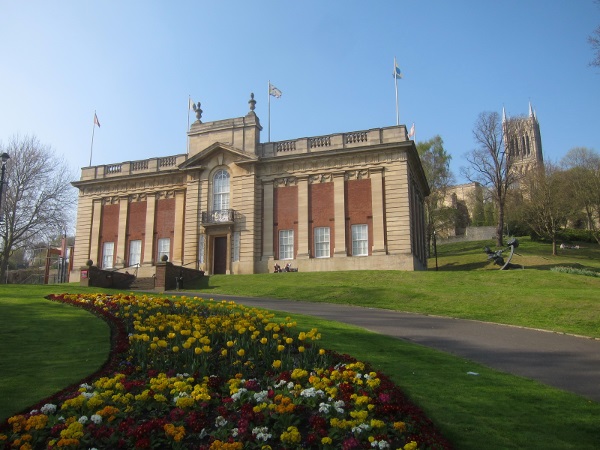
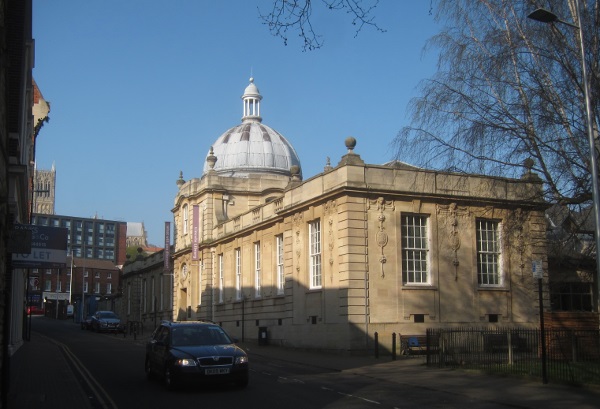
The old corn exchange. The Usher Gallery. The library.
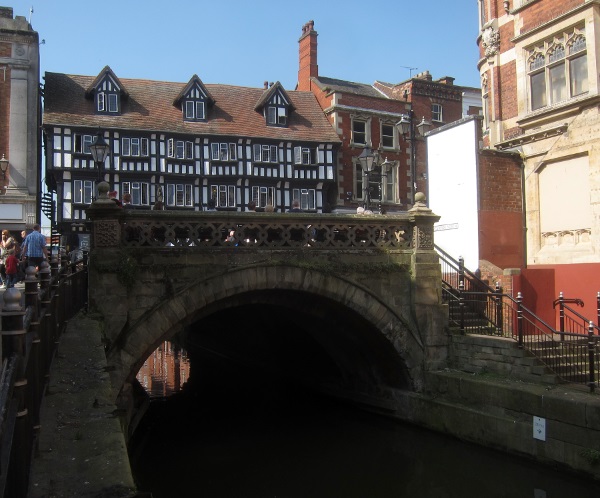
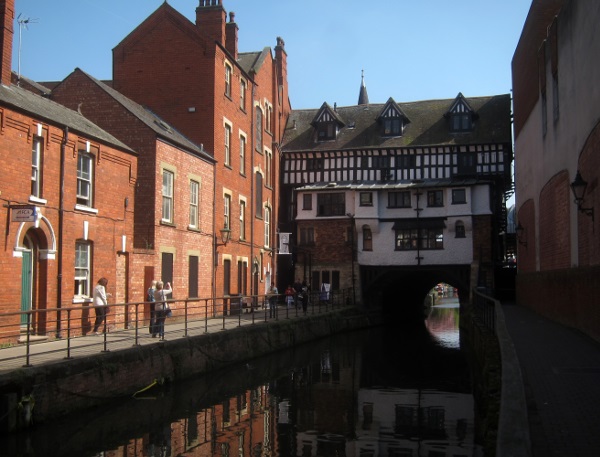
The High Bridge. The Glory Hole (under High Bridge). St. Swithin's.
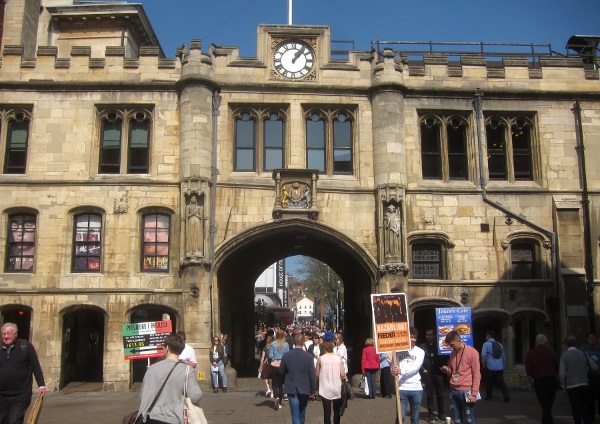
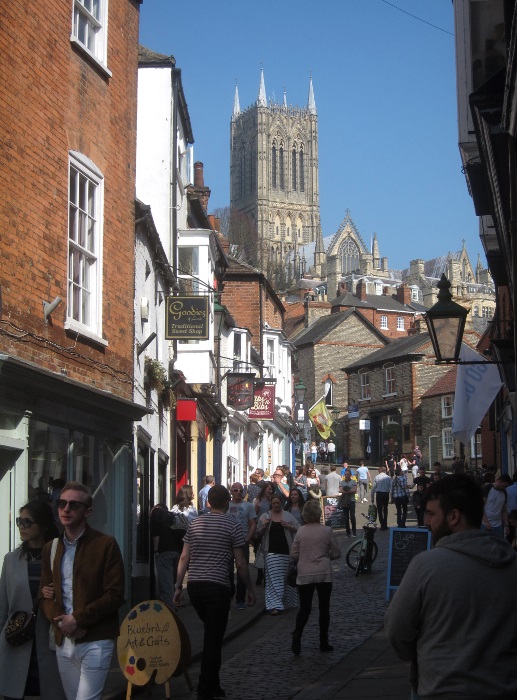
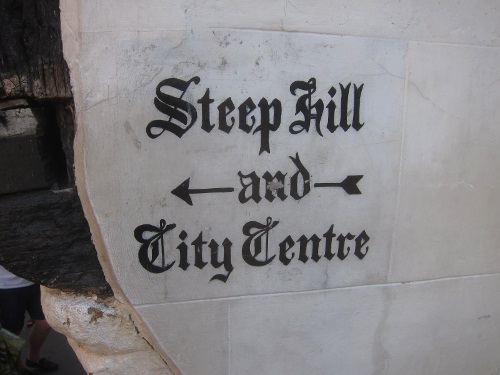
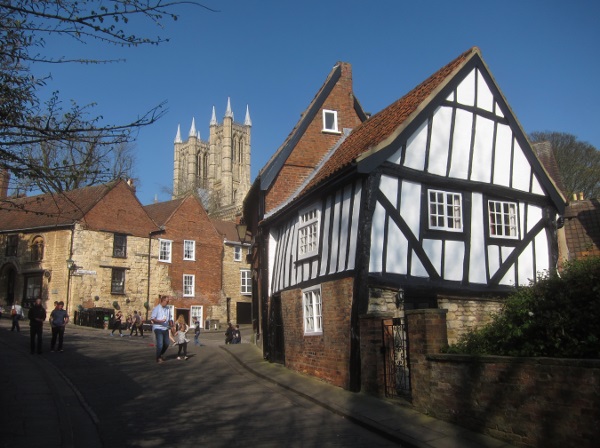
The Stonebow. Ascending to the cathedral. Steep hill!
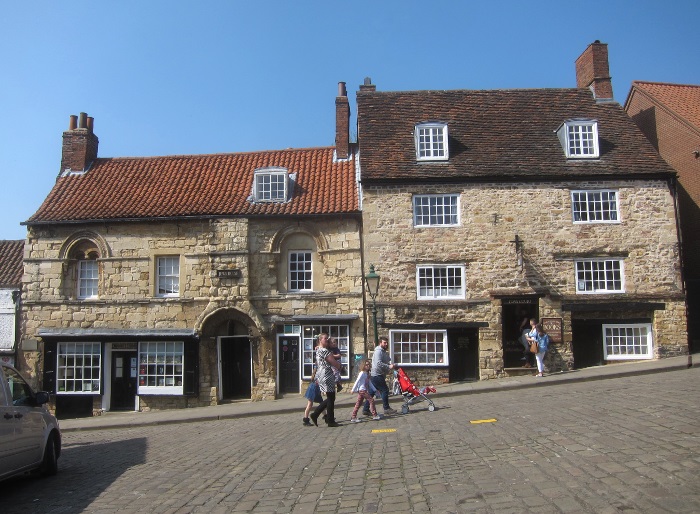
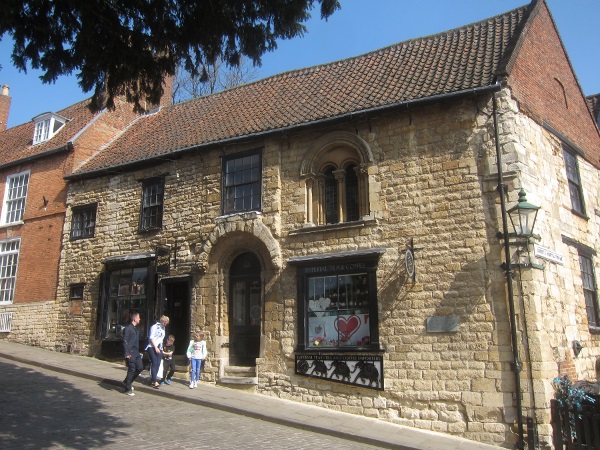
Jew's House and Jews' Court. On Steep Hill. The Norman House.
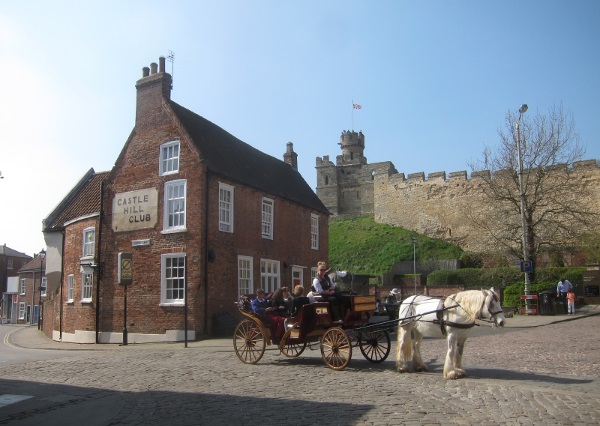
The bishop's palace. The Castle Hill Club (previously the Black Boy pub). Leigh-Pemberton House and the castle.
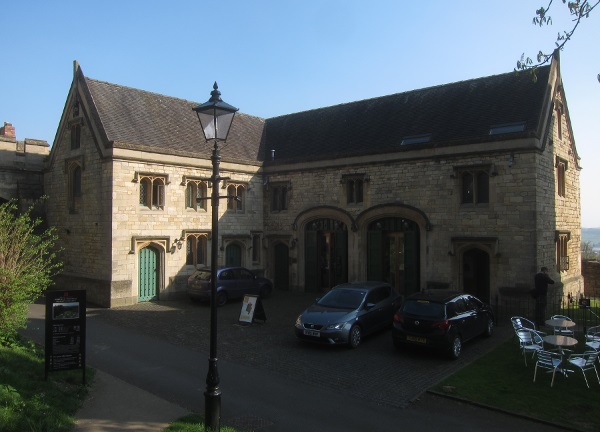
The bishop's palace. The remains of John Of Gaunt's palace. Leigh-Pemberton House and the cathedral.
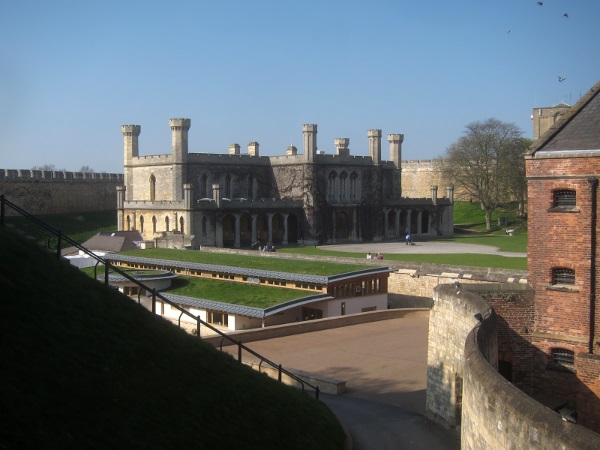
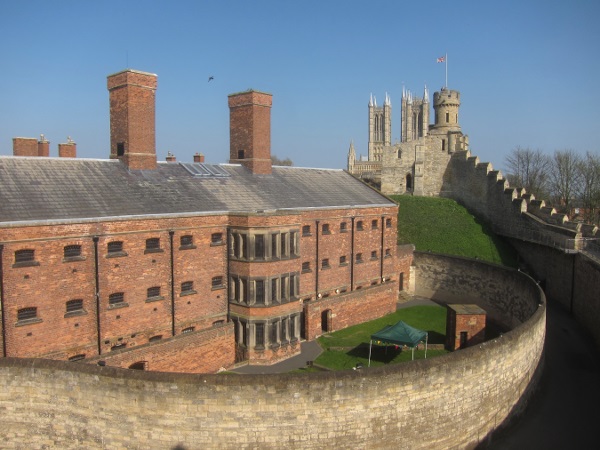
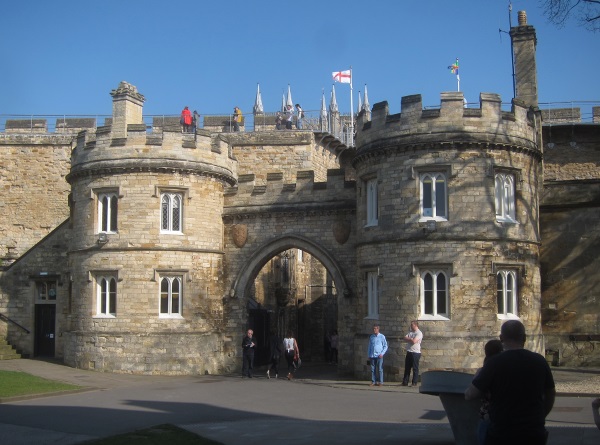
The castle Castle prison. Castle gatehouse.
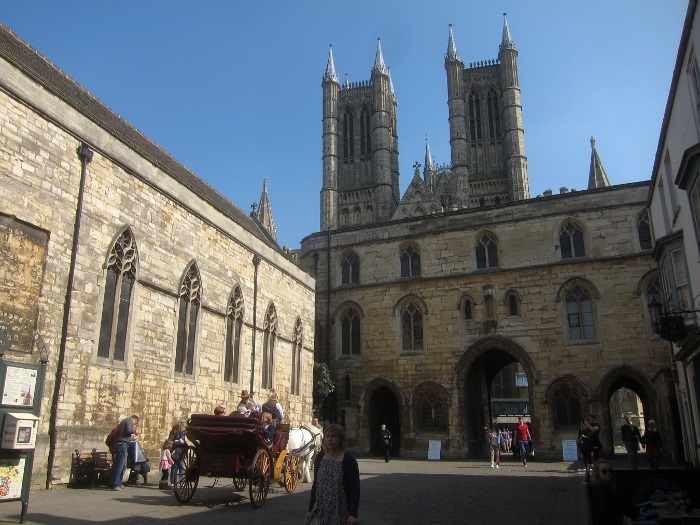
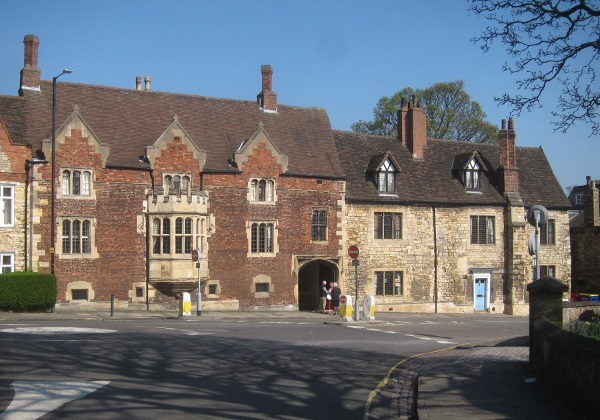
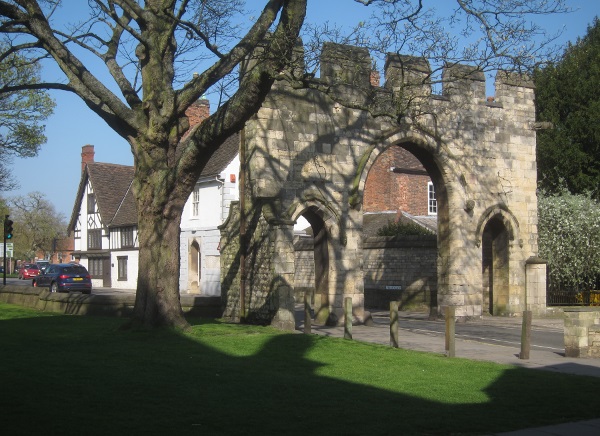
Exchequer Gate. The Chancery and Graveley Palace. Priory Gate.
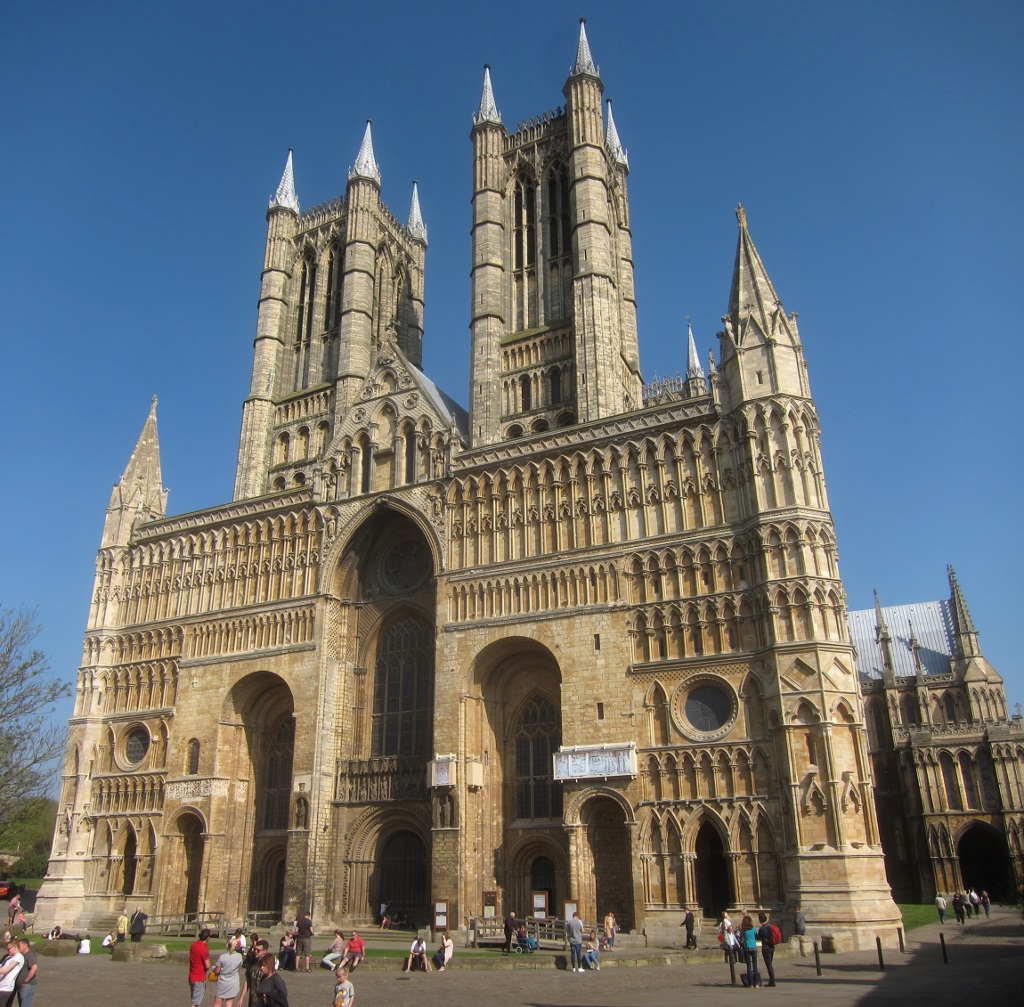
The cathedral. The west front of the cathedral.
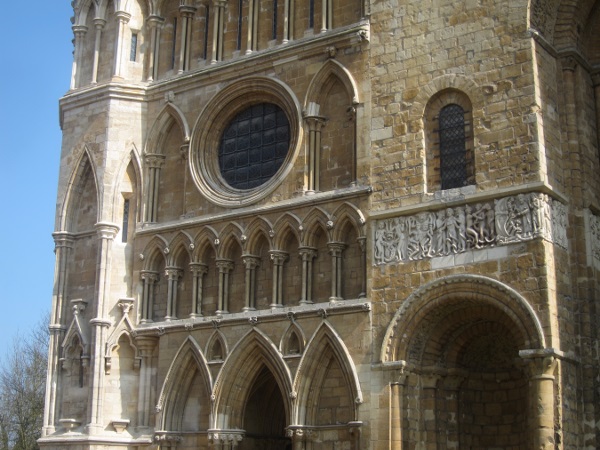
The core block of the west front, onto which the vast gothic screen and towers were added, dates from the 1080s. Two statues sit atop the spires: on the left (north) is the so-called swineherd of Stow, who reputedly gave his life savings to the construction of the cathedral, and on the right (south) is St. Hugh, the former bishop of the cathedral who befriended a swan.
Frieze on the west front (visible subjects: lust, sodomy, avarice, the dragging to hell and the harrowing of hell). The main portal with its gallery of kings from William The Conqueror to Edward III. The Galilee porch.
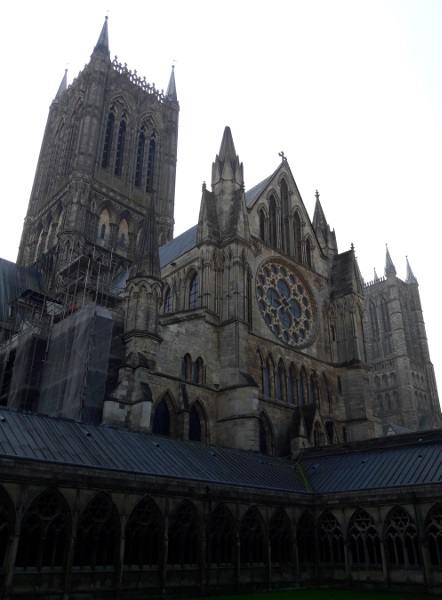
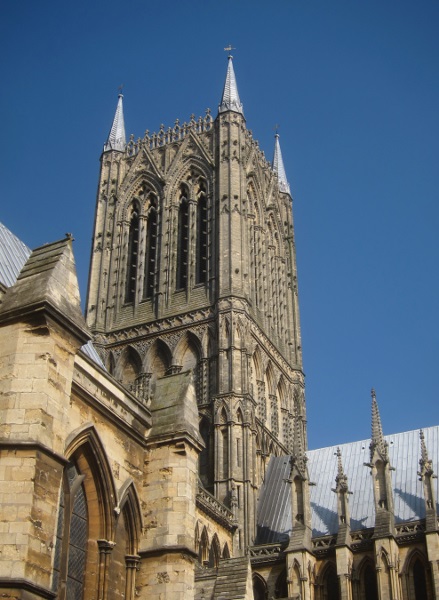
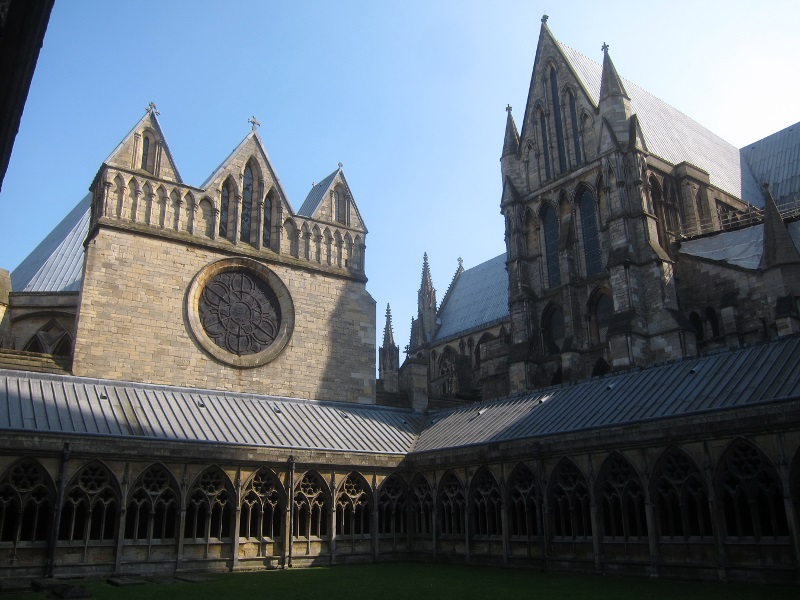
The north transept from the cloister. The cathedral towers over the city. The crossing tower.
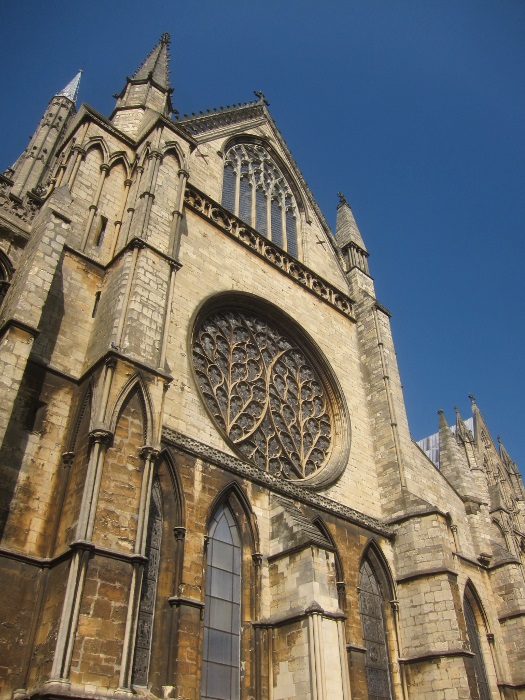
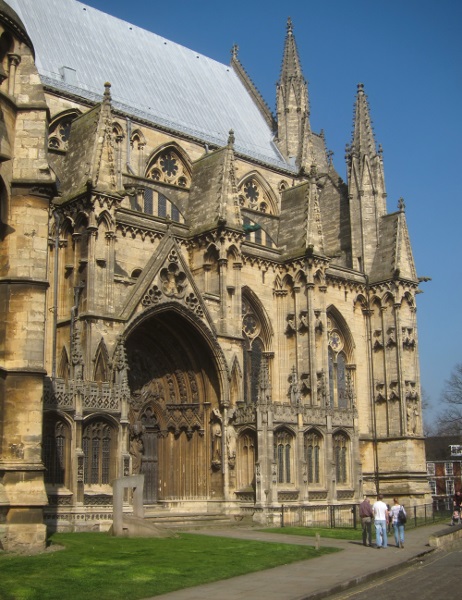
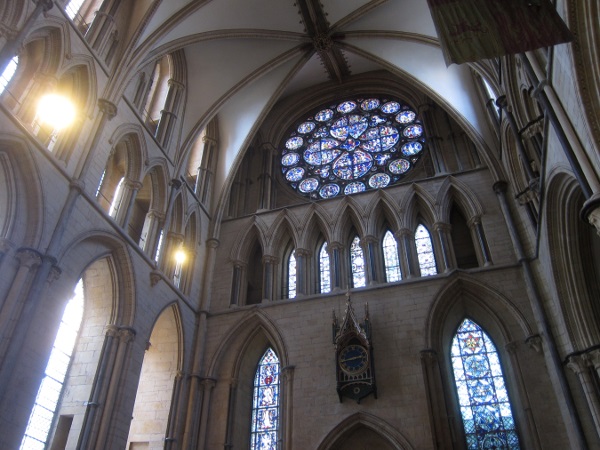
The so-called Bishop's Eye on the south transept. The Judgment porch with flanking chantry chapels. The Judgment porch.
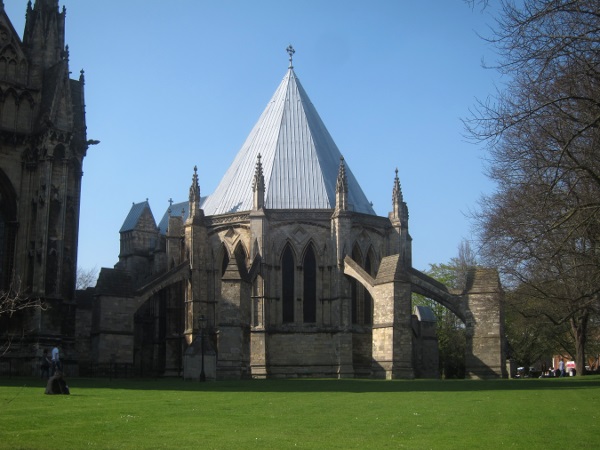
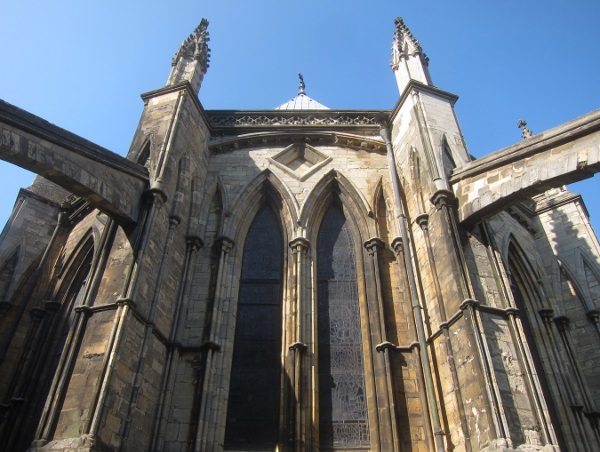
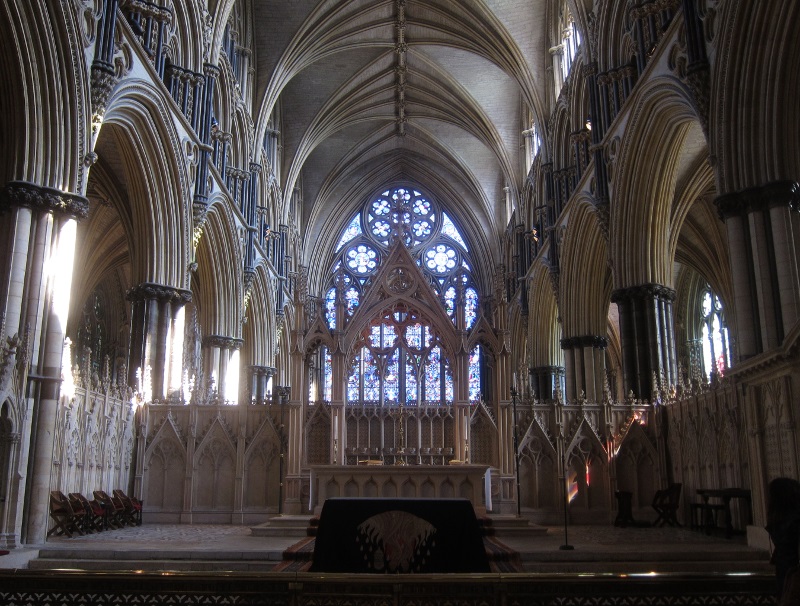
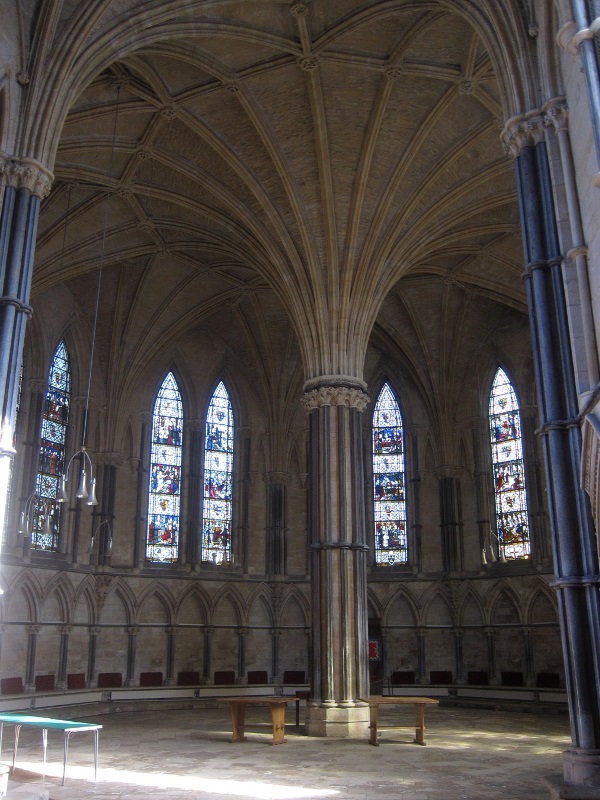
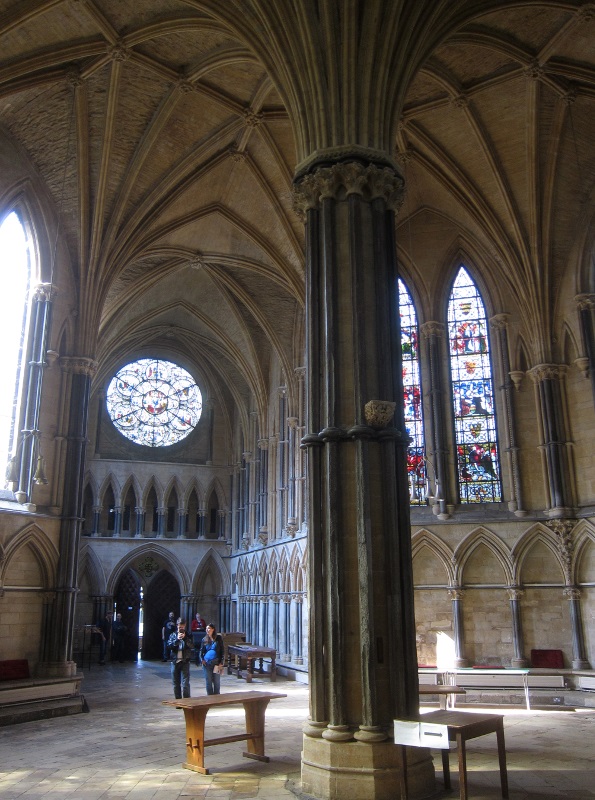
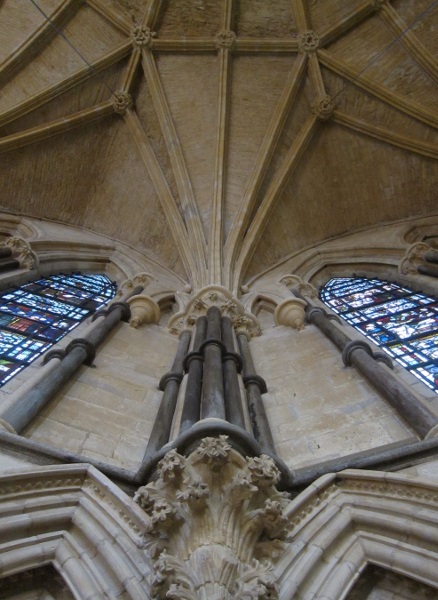
The east end. The chapter house. The chapter house.
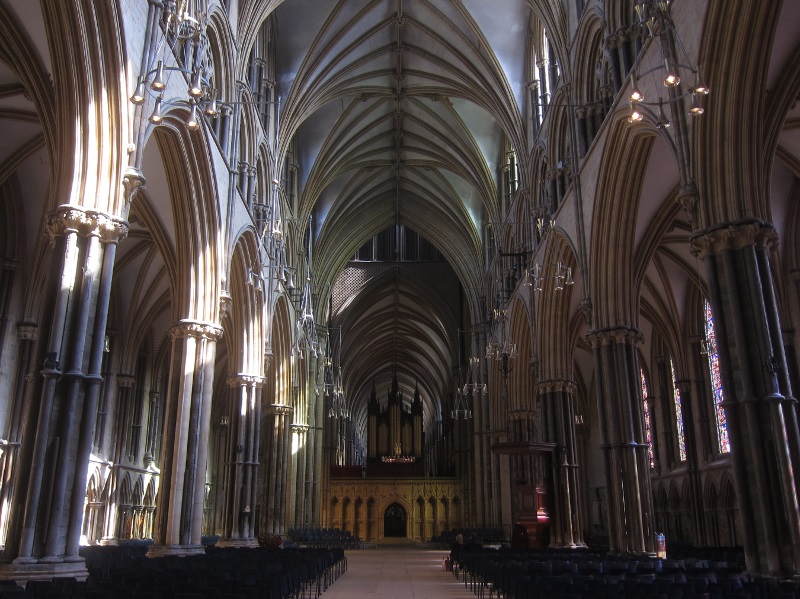
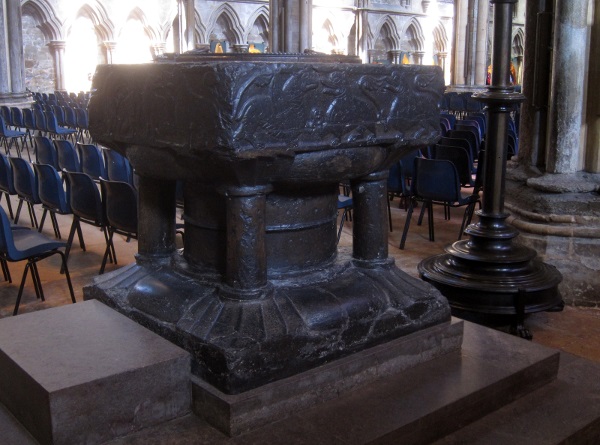
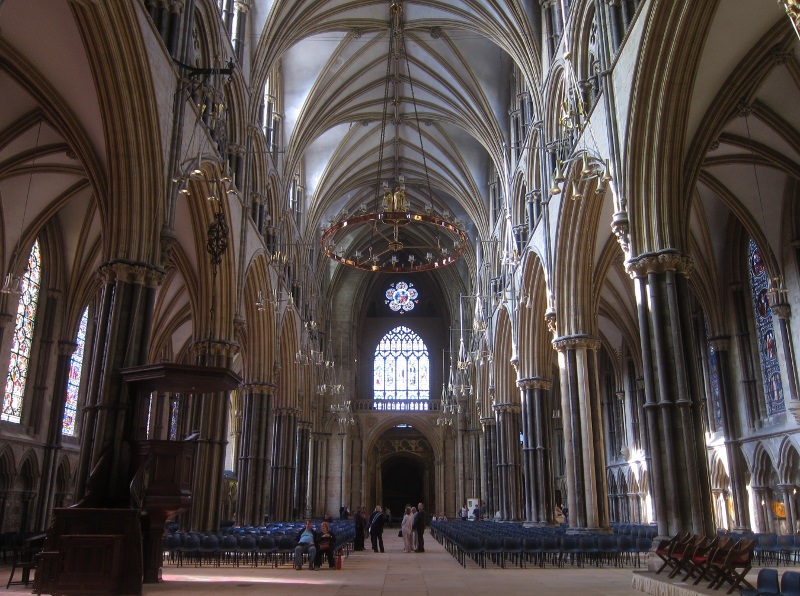
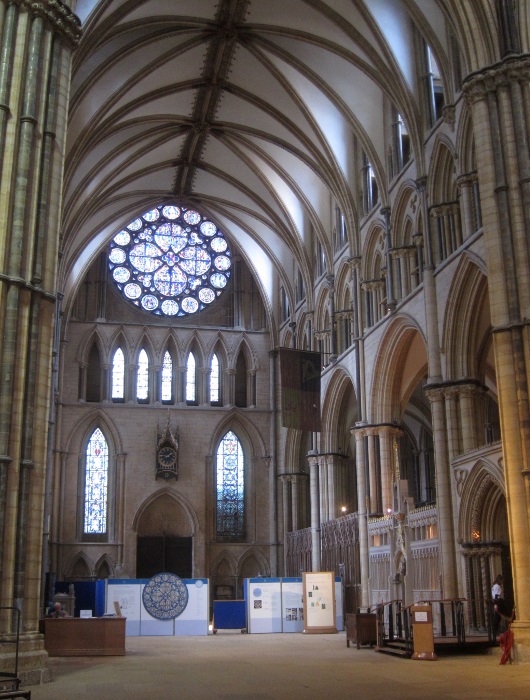
The nave. The font in Tournai marble. The nave.
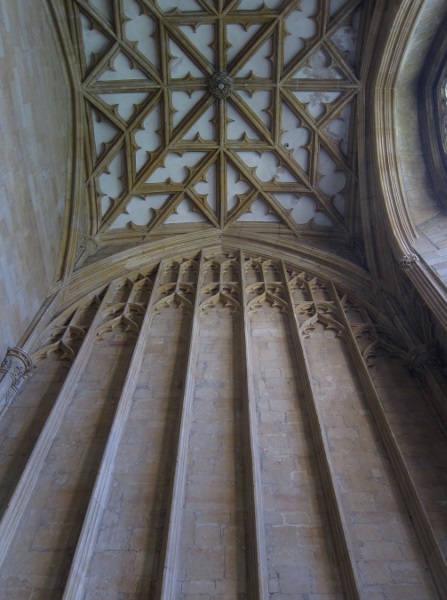
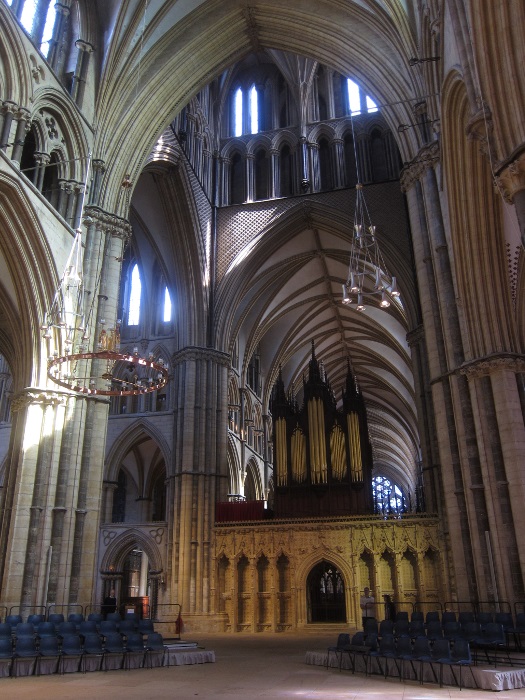
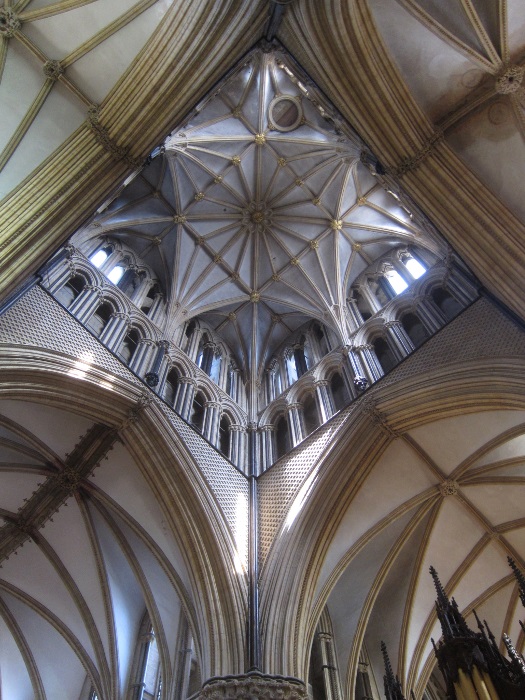
The porch vault. The crossing. The crossing.
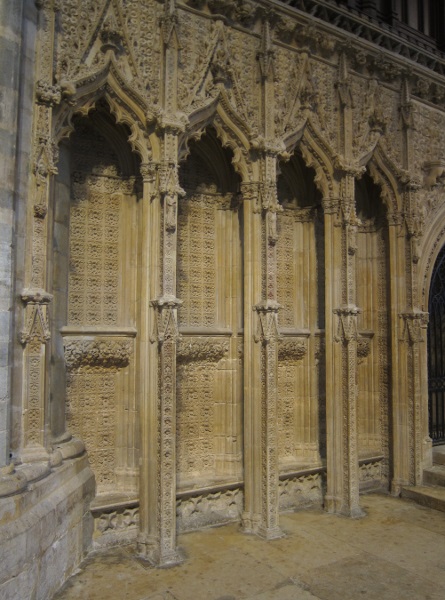
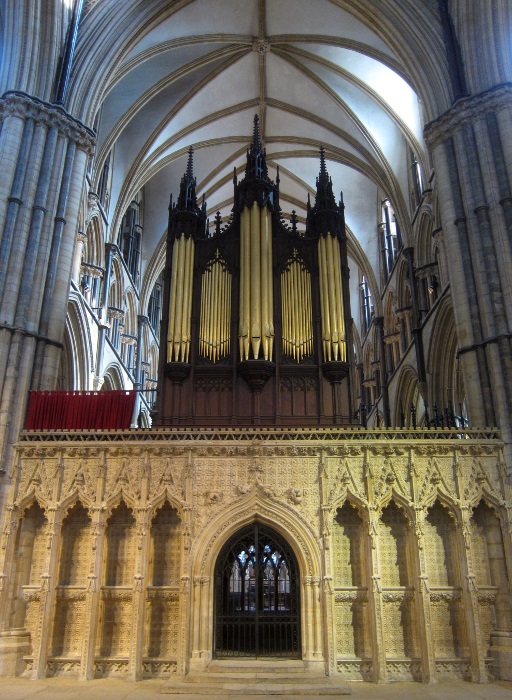
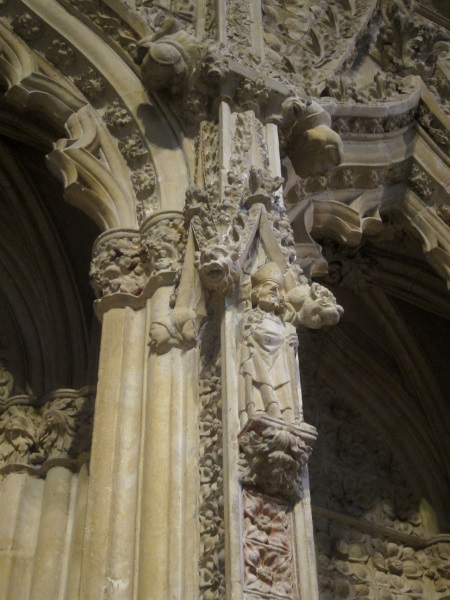
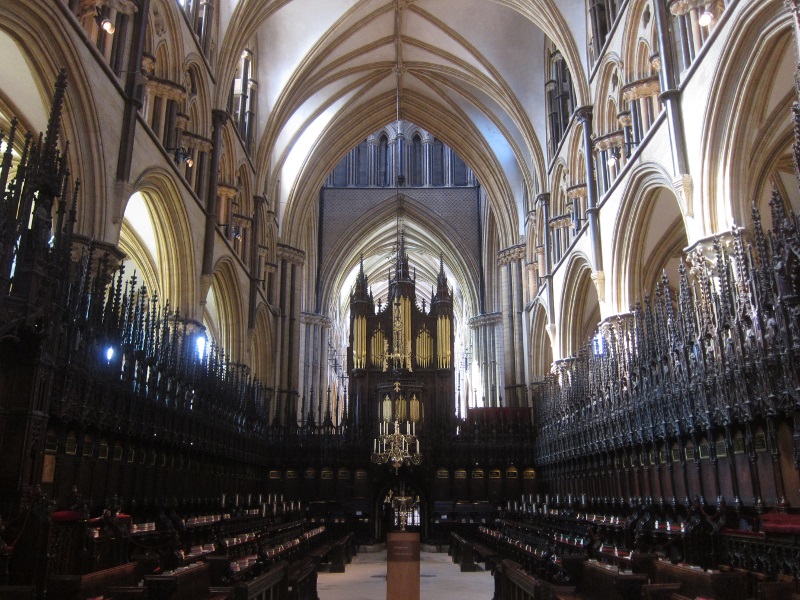
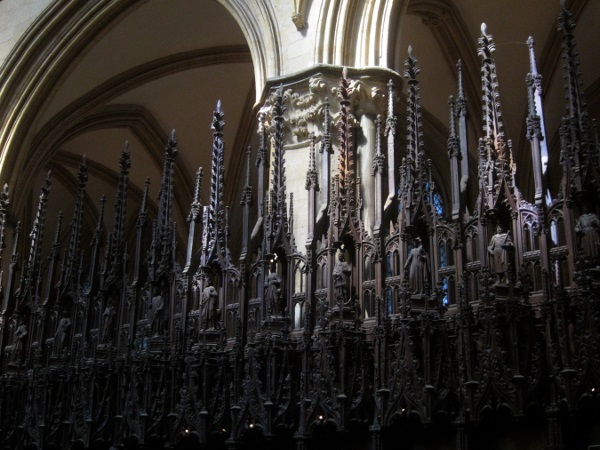
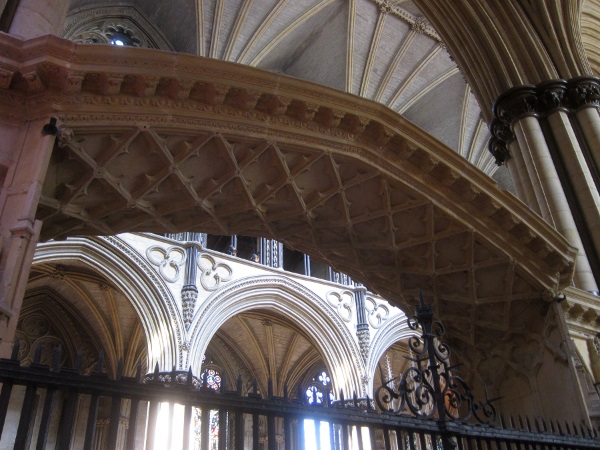
The choir screen (1330). The choir screen, with the 'crazy vault' of the choir beyond that may be the origin of all complex vaulting (possibly Geoffrey De Noiers, 1200). Carvings on the choir screen.
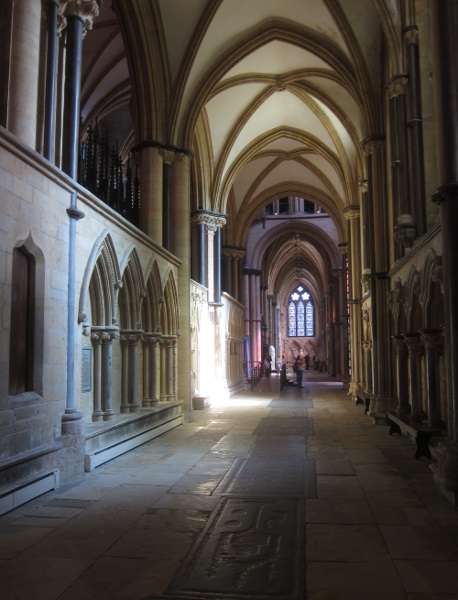
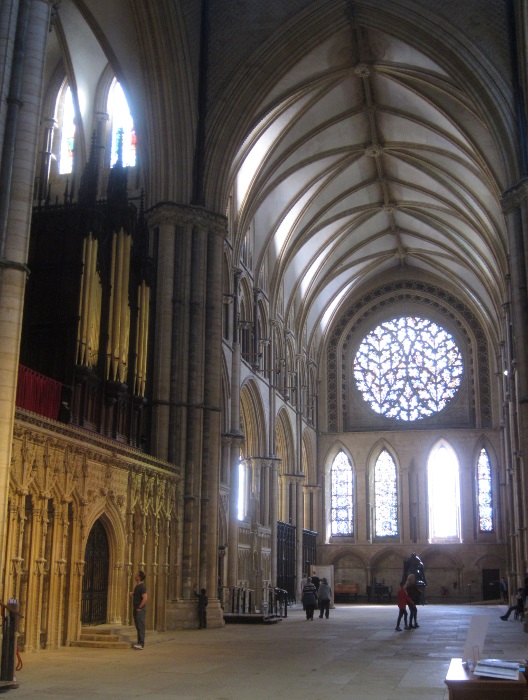
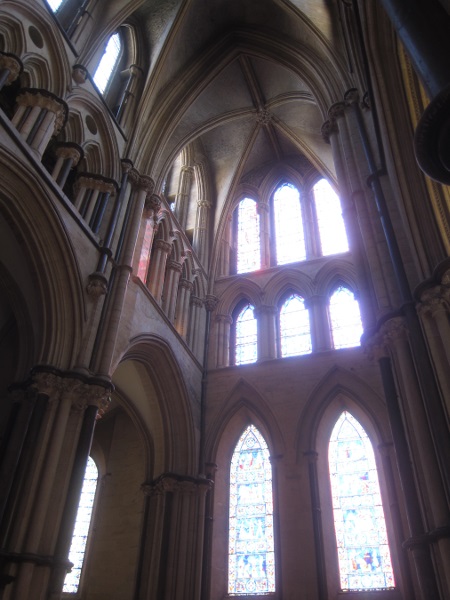
The north transept. Aisle. The south transept.
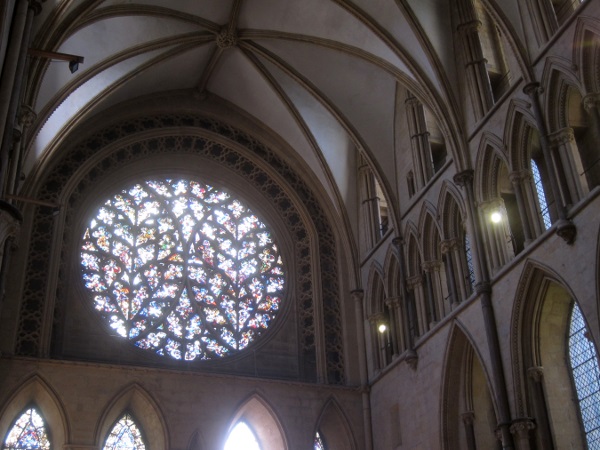
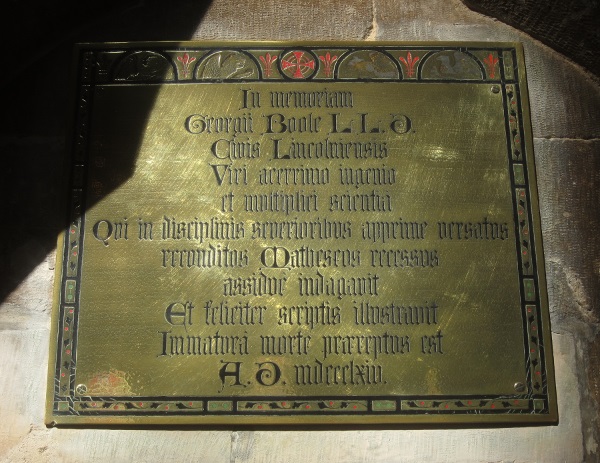
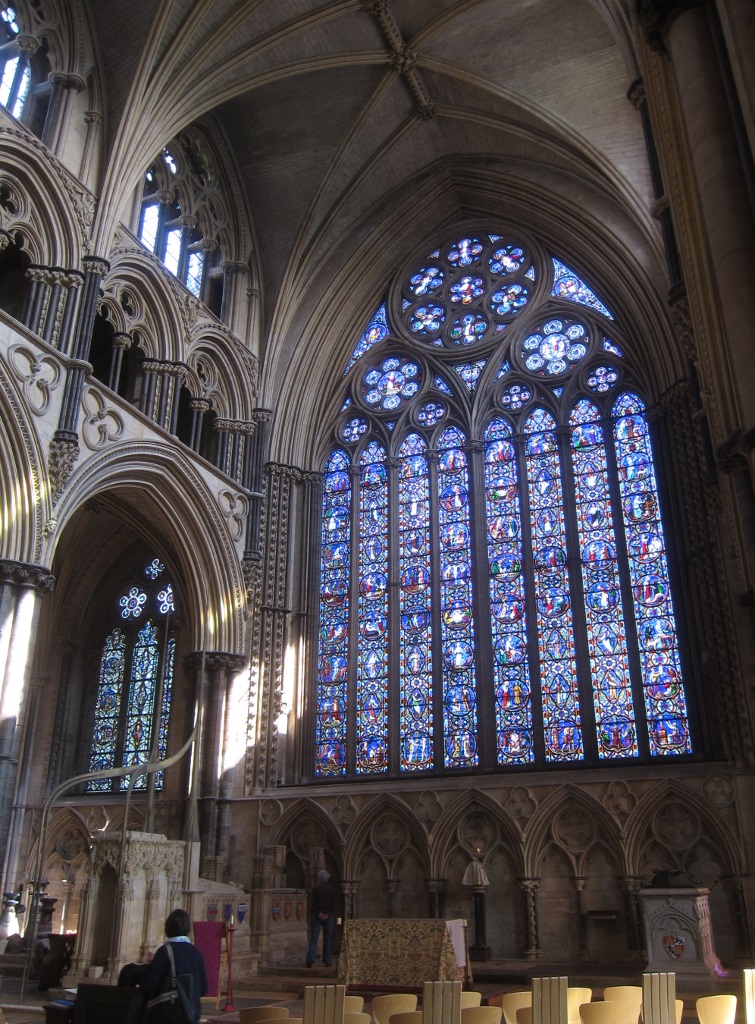
The Bishop's Eye. Memorial to George Boole, who gave us Boolean logic. The Dean's Eye.
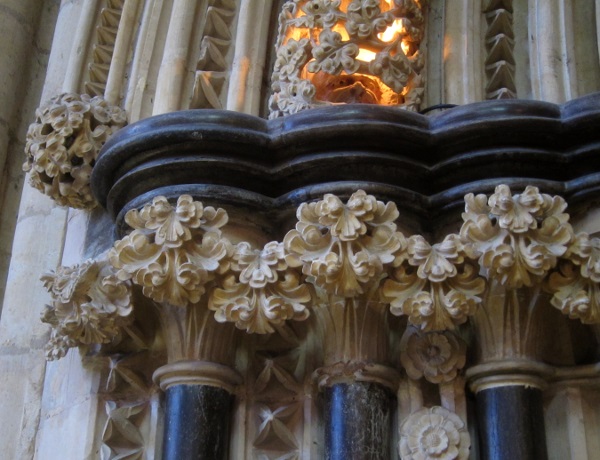
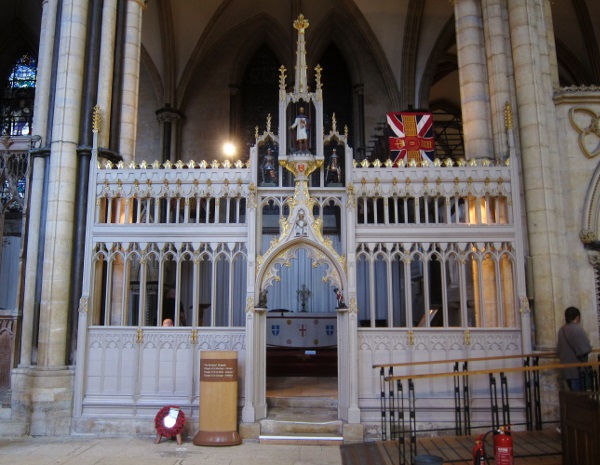
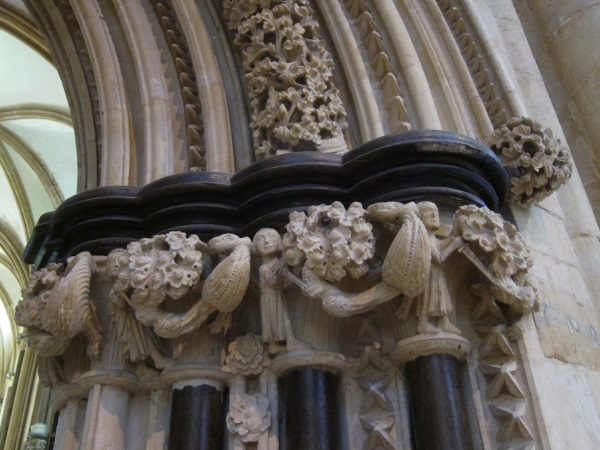
Florid carving. The chapel of the armed services. Florid carving.
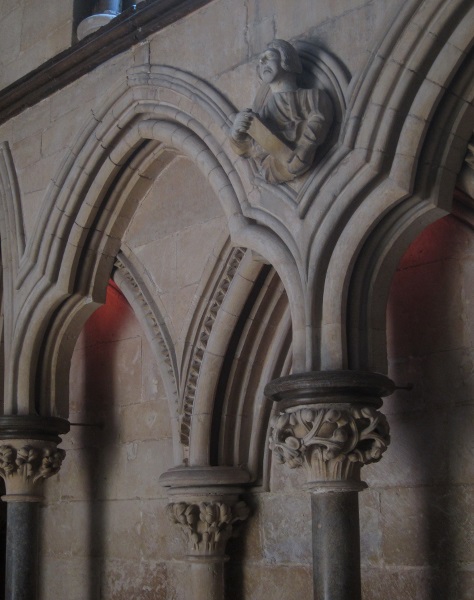
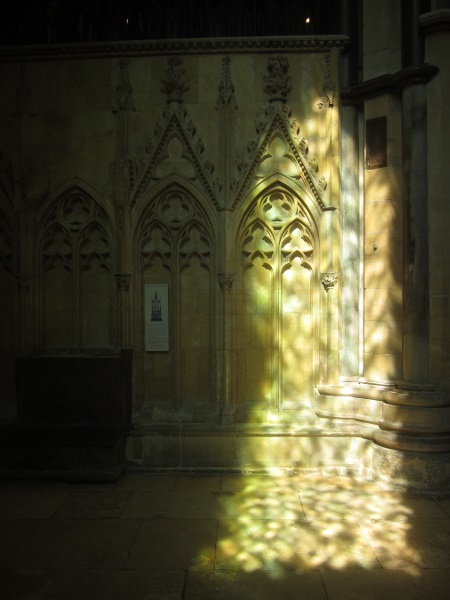
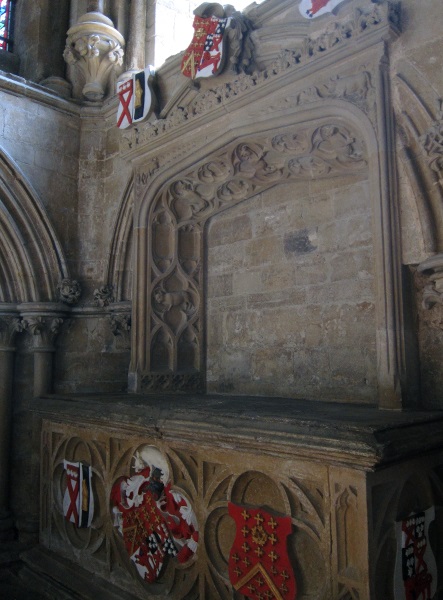
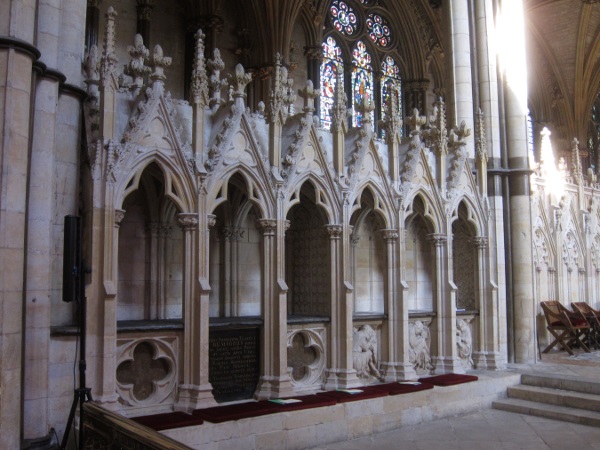
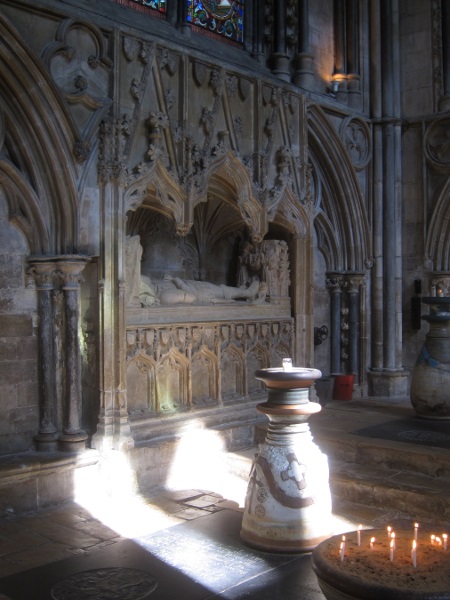
Double blind arcade. The shrine of Little Saint Hugh. The Talboys tomb.
The shrine of Little St. Hugh held the body of a child supposedly murdered by Jews in 1255. Several of them were executed and, in 1290, Edward I expelled all Jews from England, a situation which lasted until the civil war.
The choir. Carved stalls (1361). The choir.
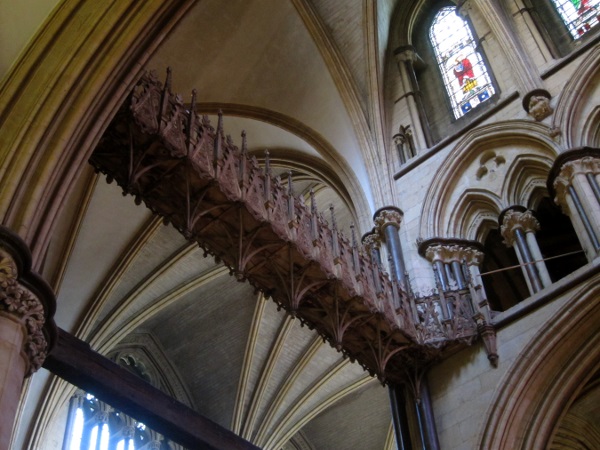
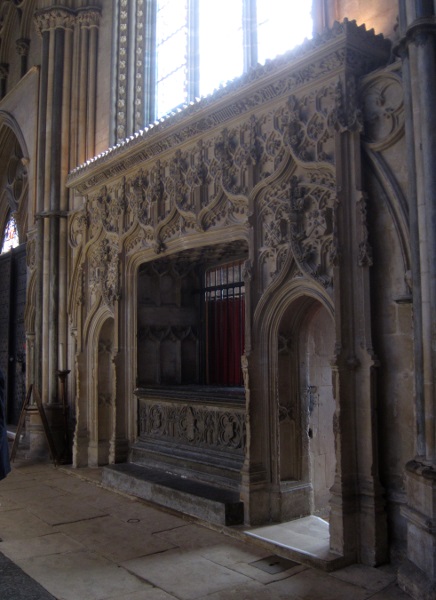
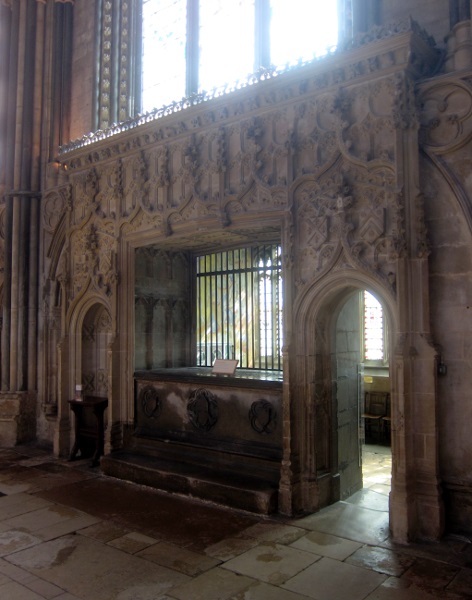
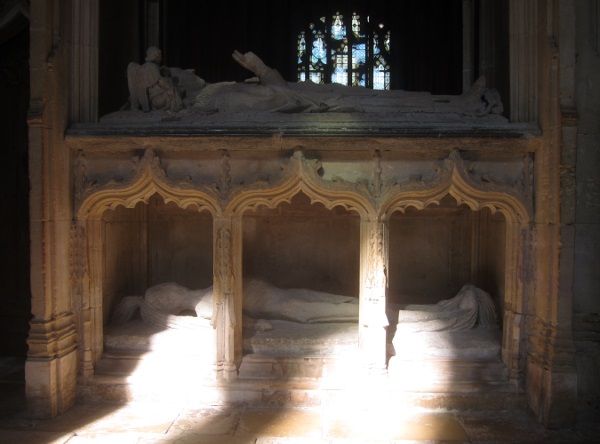
The Easter sepulchre (which apparently contains flying ribs). Wooden bridge at triforium level. The Swynford tomb canopy.
Like York Minster, Lincoln has a second transept. The Longland chantry chapel. The Russell chantry chapel.
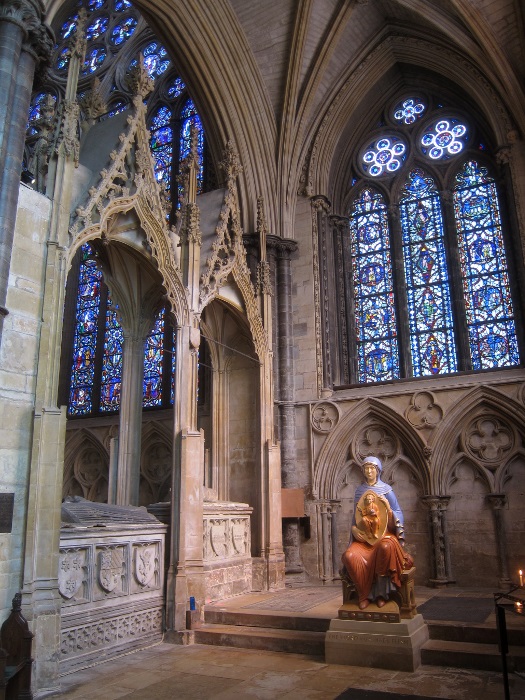
Bishop Wordsworth's spectacular tomb. The much-admired Angel Choir (1256, Simon Of Thirsk or Richard Of Stowe). The Cantelupe and Wimbische tombs.
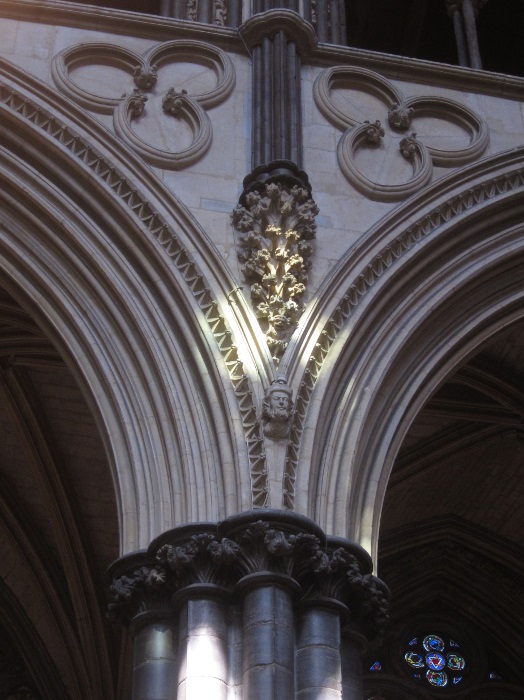
Burghersh tomb. The Lincoln Imp at the base of some engaged colonnettes. The tomb of Bishop Fleming (1431). Fleming burned the remains of Wycliffe (as a heretic) and founded Lincoln College (Oxford).
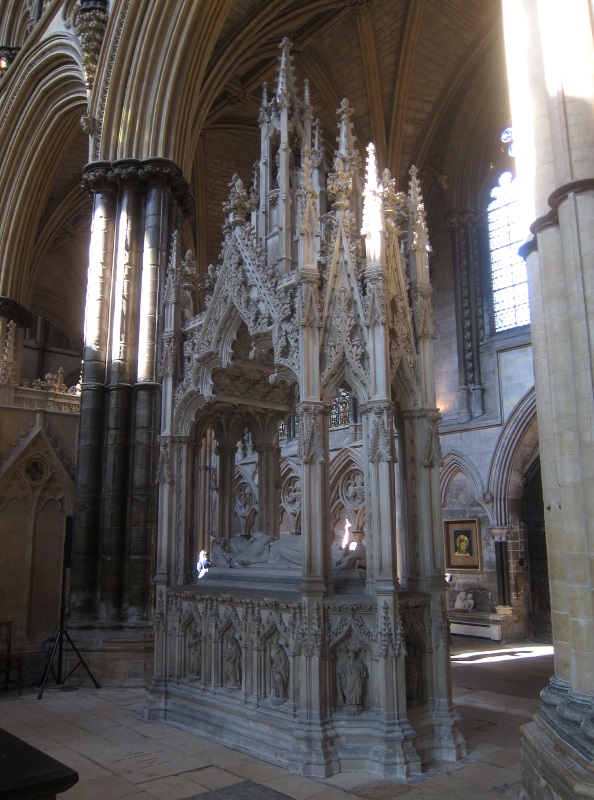
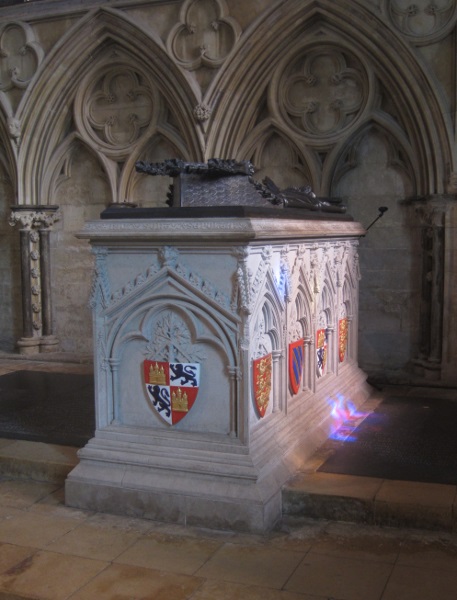
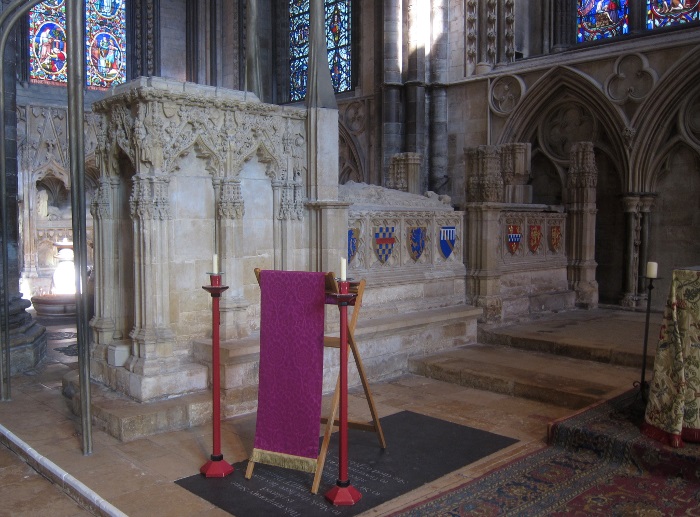
The tomb of the viscera of Queen Eleanor. The shrine of Saint Hugh (of Avalon) and two Burghersh tombs behind it. Bishop Fleming's cadaver tomb.
Queen Eleanor of Castile, born in Burgos, was the wife of Edward I. In life, she profited from the persecution of the Jews, and in death she was commemorated by tombs in Westminster and in Lincoln's Angel Choir, and with a series of memorial crosses starting at Charing Cross. The Angel Choir also hosts the shrine to St. Hugh.
The decagonal chapter house. The chapter house. The chapter house.
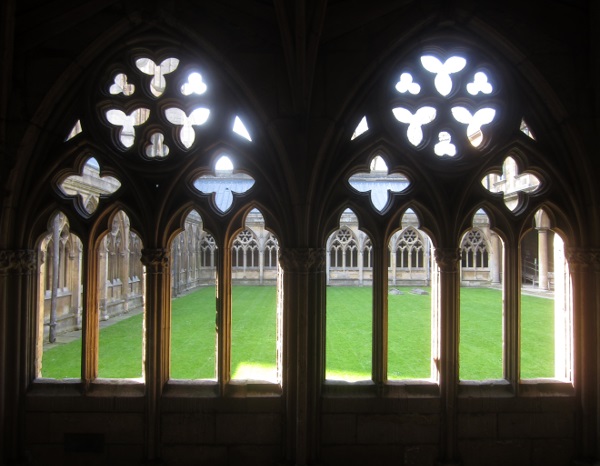
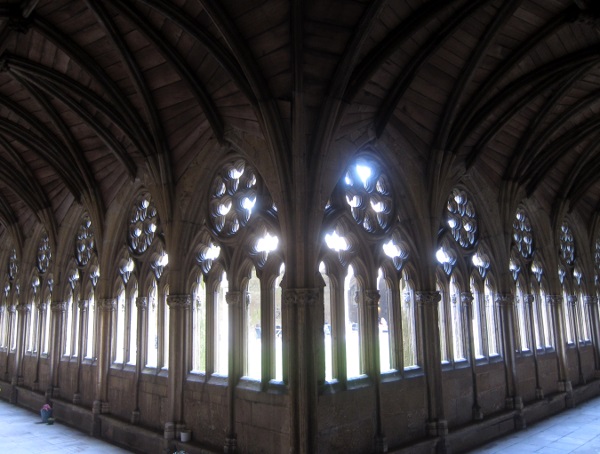
The cloister. The cloister. The chapter house seen from the cloister.